Autoimmune Disease Research Gaps Specific to Women
Eighty percent of autoimmune patients are women, yet research still excludes them.
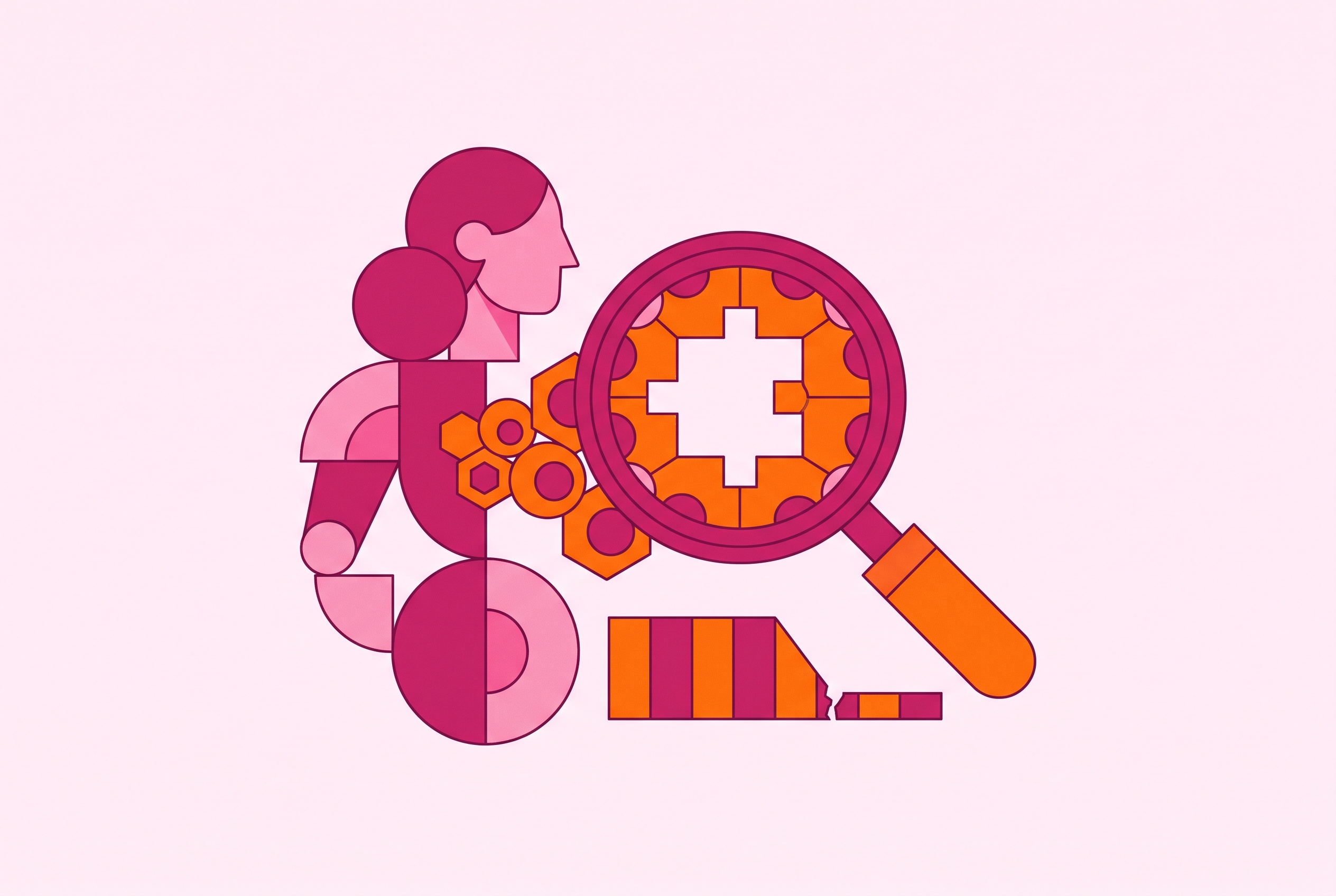
The lack of autoimmune investigations focused on females stems from both methodological choices and insufficient scientific attention. Past omissions, lingering biological uncertainties, sparse data spanning reproductive stages, and delayed diagnoses form an interconnected web. Fixing this means investigations must prioritize gender and phases of fertility when examining illness.
Why the scale of the autoimmune burden has not produced proportionate research investment
In the United States, over 80% of people with autoimmune conditions are women, yet research systems remain unaligned with this disease pattern. Over 140 distinct autoimmune diseases impact nearly all organ systems and are some of the nation's most prevalent chronic illnesses, with Eugenia Chock of Yale calling this category one of America's fastest-growing. Given that scale, this failure to center women in research remains a critical gap in the evidence.
The rationale for that limitation had a specific historical origin. Biomedical studies and clinical trials excluded females because hormonal fluctuations were viewed as complications of the dataset. That decision eliminated variation in the study population while leaving its influence on the disease intact. Consequently, studies acquired a cleaner experimental design while sacrificing understanding of those most prone to requiring treatment.
The mismatch, then, cannot be judged solely from research budgets. Expanding the research effort may not fix the gaps when study populations, metrics, and questions are out of step with the people who become ill. According to NIH Director Jay Bhattacharya, losses such as reduced productivity and family burdens probably exceed the substantial medical bills. Research aimed at closing the disparity still has to begin by asking why females are more susceptible biologically.
What researchers now know — and still don't — about why women are more susceptible
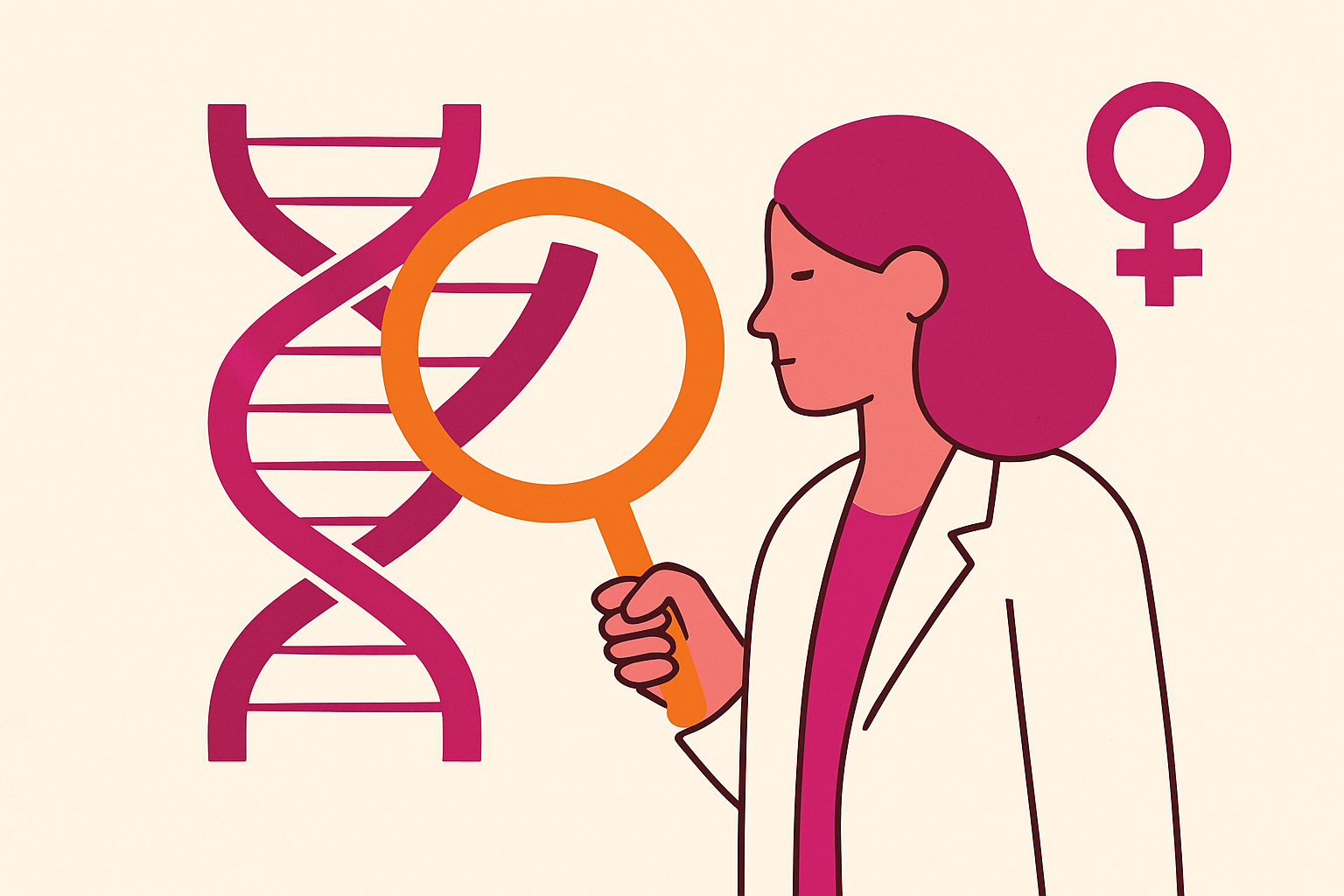
The XIST mechanism represents a major step forward by revealing how sex chromosomes link to autoimmune disease. Xist, an RNA molecule that does not code for proteins and appears only in females, serves to silence a single X chromosome out of the pair. Its RNP complex contains many parts that trigger autoimmune responses. Those components clarify the reason behind potential immune responses targeting self-tissues. This discovery provides scientists with a concrete pathway to study, moving beyond a mere link between biological sex and disease.
A February 2024 Cell study by Stanford University researchers added support for this link. Male mice engineered to activate non-silencing XIST began producing self-reactive antibodies. The work indicated that RNP complexes could drive sex-biased autoimmune responses by a route that did not depend on sex hormones. It matters because, in that model, the chromosome-linked effect could be examined apart from hormonal effects. It should not be read as evidence that hormonal factors do not matter in human disease.
Howard Chang's Stanford lab advanced this research in the 2026 Journal of Clinical Investigation. The researchers linked XIST RNP to autoantigens across six autoimmune conditions that predominantly affect women. Autoantigen binding clustered at specific “hotspots” within the XIST transcript, notably the A-repeat region. The potential of XIST RNP autoantibodies to classify disease states or patient groups awaits further investigation.
Whether chromosomal and hormonal inputs each predominate or instead remain contextually intertwined has never been settled. Monozygotic twin evidence shows that genetics on its own does not account for who develops disease. Alongside genetics, stochastic and epigenetic factors also play a role, yet real-world and behavioral exposures are typically only partially measured, and how they engage immune pathways tied to sex biology is still undertreated. So XIST sharpens the research question without yet explaining why only some genetically predisposed individuals develop disease.
How incomplete mechanistic knowledge flows into incomplete clinical trial design
When sex and reproductive changes are still not well understood, research lacks the foundation needed to evaluate risk for women who could become pregnant. Too few participants therefore leaves too little evidence to settle those uncertainties. Greater female participation in certain study areas still does not show that autoimmune trials match the populations they are meant to represent.
Research published in Nature examining 195 authorized medications between 2015 and 2023 revealed that this disparity endured. For cancer studies, female participation most nearly matched the proportion of women actually affected by the condition. Women were disproportionately underrepresented in trials for heart and autoimmune conditions compared to how many actually have these illnesses, with no progress across the years. To assess representation, one weighs the enrolled cohort against those who actually suffer from the illness.
The impact extends beyond the makeup of a dataset. When enrollment falls short, the women who bear most autoimmune conditions receive standard therapies backed by weaker testing. Lacking sex-disaggregated research, doctors caring for female patients must frequently rely on findings that poorly represent the people they treat. This gap becomes most severe around fertility, gestation, and nursing, when research data is scarcest yet medical risks remain elevated. Each phase remains distinct, even when limited evidence requires clinical decisions to span them.
The same analysis named improved diagnostics, endpoints that rely less on judgment, and stronger ways to gauge reproductive risks as what progress requires. If a study lacks the measures to evaluate outcomes or distinguish the risks that matter, enrollment cannot fix that on its own. In the other direction, deeper biological insight cannot reveal how effective therapies are for populations still missing from trials.
The postpartum period as the clearest case of a research gap with direct clinical harm
The early postpartum weeks form a separate interval when autoimmune flares become more likely. Once delivery occurs, immune shifts that had helped the fetus be tolerated rapidly move back into a more inflammatory state. That rebound, alongside a sudden hormonal fall after delivery, leaves patients more susceptible. This heightened susceptibility can persist for months, shaped by baseline disease activity, treatment changes, and factors tied to breastfeeding. So stability during pregnancy is no guarantee of stability after birth.
In real-world cohorts, as many as 40% of SLE patients develop mild to moderate flares in the year after delivery. Even so, postpartum evidence is still fragmented, sometimes debated, and often drawn from limited study groups or chart-review analyses. Studies have prioritized outcomes during pregnancy rather than examining postpartum care just as closely. After delivery, these patients enter a routine reproductive-care transition that brings its own clinical demands.
Going off DMARDs or trimming the dose during pregnancy may let the disease slip from adequate control. Delaying an escalation of treatment after delivery over breastfeeding worries can drag the issue into a stretch of heightened vulnerability. More evidence keeps piling up that biologics alongside standard DMARDs are often fine to stay on during breastfeeding, even if know-how is still patchy and what patients hear from clinicians varies. Those gaps can still stall appropriate care even where no actual incompatibility has been established.
Cross-national studies of care reveal substantial differences in monitoring and treatment practices throughout pregnancy and after delivery, even at specialized centers. Structured guidance after delivery is frequently missing or unevenly implemented. Clinicians therefore often adapt pregnancy guidance to a postpartum phase with its own clinical and immunological profile. This shortage of research undermines both treatment evidence and how follow-up care is structured. Addressing these shortcomings becomes more difficult when women enter this phase lacking prompt autoimmune identification.
Why women wait years longer for an autoimmune diagnosis — and what that delay costs
Research appearing in eClinicalMedicine during October 2026 revealed that female patients consistently endure lengthier delays before receiving an autoimmune diagnosis compared to males. Nearly a third of female patients described delays exceeding four years, whereas males typically learned their condition sooner after symptoms began. They additionally noted extra appointments with clinicians alongside a higher frequency of suspected psychiatric or psychosomatic mislabeling.
These gaps appeared across many diseases, including ankylosing spondylitis and systemic lupus erythematosus. Wrong psychiatric or psychosomatic labels were most often reported by patients with autoimmune encephalitis or connective tissue disease of the undifferentiated type, while type 1 diabetes, rheumatoid arthritis, and polymyalgia rheumatica drew the fewest such reports. Future work should clarify which disease pictures are most easily confused with psychiatric illness and what drives the sex gap inside them.
The researchers also named an important limitation. The team could not confirm the diagnostic errors patients described, nor explain why outcomes differ by sex. Despite that caveat, recurring accounts of late or wrong diagnoses point to scientific infrastructure still failing to equip practitioners for earlier autoimmune disease detection.
Such strain reaches professional life and finances, yet surveys cannot separate out what delayed diagnosis costs. According to a 2026 national survey by WellTheory and the Autoimmune Association, the majority of employed women managing autoimmune conditions reported career setbacks driven largely by exhaustion, cognitive difficulties, and physical discomfort. Reported effects included moving to less demanding roles, changing careers, turning down promotions, cutting hours, and leaving the workforce. The majority kept their condition hidden from bosses, worried about judgment or lost opportunities. Elevated spending on treatments and prescriptions compounds this pressure, though the financial toll fluctuates greatly with each diagnosis and its severity.
Such results do not imply that sex-focused studies benefit only women. Autoimmune conditions tend to strike women more often, yet men frequently endure a more aggressive illness trajectory and greater mortality. Accounting for sex as a biological factor can deepen insight into both. What is required, then, is sharper evidence spanning the full patient population.
What a structured research response would actually require — and what currently stands in the way
NIH started building an institutional structure around these gaps. After a 2023 directive from Congress, it set up the Office of Autoimmune Disease Research inside the Office of Research on Women's Health. That office released the inaugural NIH-Wide Strategic Plan covering autoimmune research spanning Fiscal Years 2026 through 2030. Its goals are speeding up scientific discovery, directing studies toward better health outcomes, grasping how complex these diseases are, expanding research capacity, and deepening partnerships and collaboration. It addresses these conditions throughout every life stage, factoring in aging and sex-based variation.
The journal's researchers advocate for prospective longitudinal cohorts featuring repeated biological and clinical evaluations, while considering sex a biological variable and analyzing how gender influences environmental exposure effects. Enhanced diagnostic instruments, objective trial outcomes, and improved reproductive risk assessment methods would eliminate obstacles in clinical investigations. Standardized protocols for care after childbirth bridge the divide separating pregnancy-focused evidence from postnatal support.
The XIST arc began as a lab mechanism in 2024, reached a clinical link by 2026, and patient stratification remains undone. Chock draws on big data and observational designs, and her work tying fetal growth to rheumatoid disease and its juvenile counterpart shows what research shaped by how women's illness unfolds looks like. NIH, meanwhile, named autoimmune disease research a "Highlighted Topic" that February 12, 2026, signaling real appetite for new grant applications. Together, however, they have not yet produced a full answer from the research community.
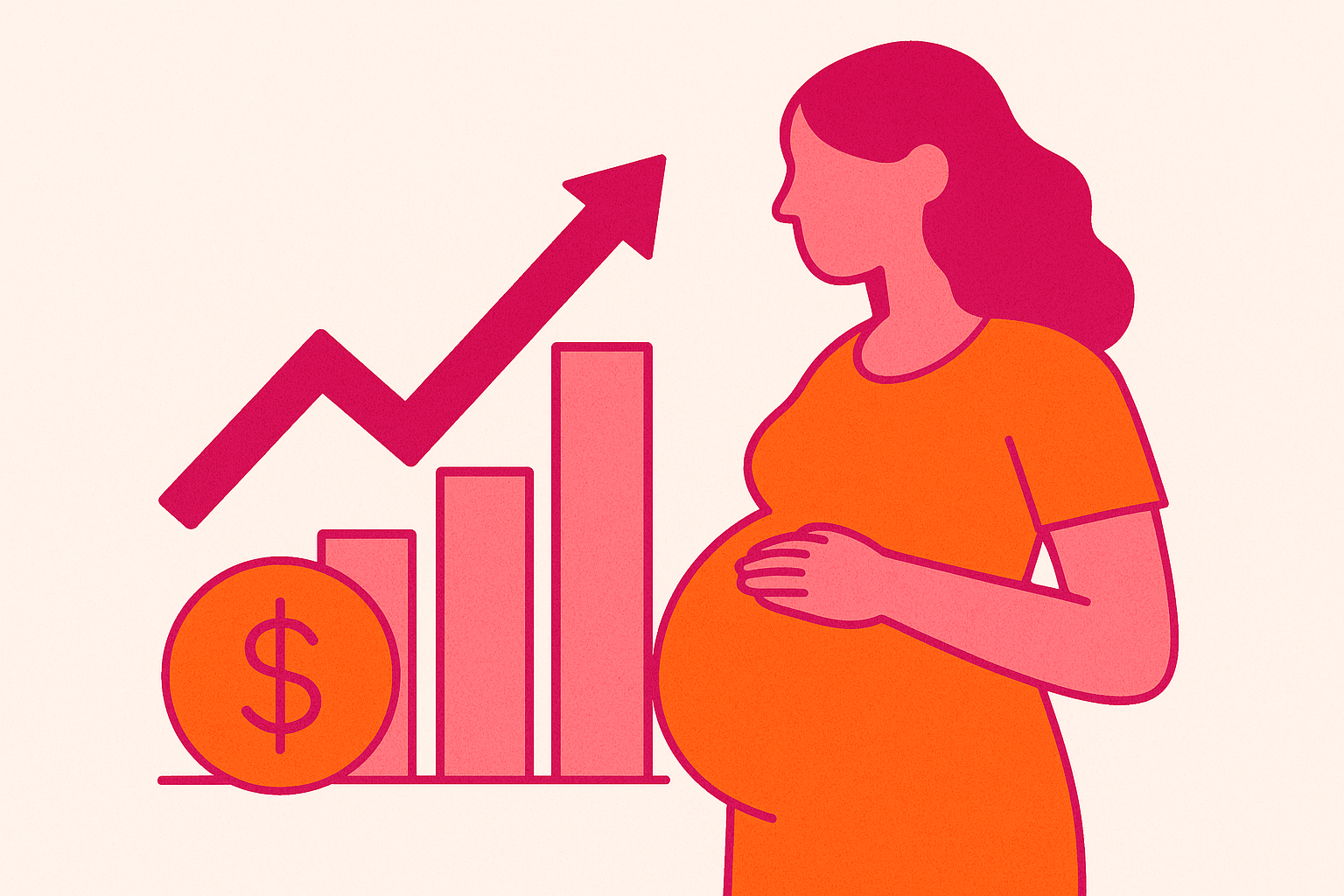
Money is just as much of a constraint. Under the Fiscal Year 2026 proposal, NIH funding faces a roughly 40% reduction. The strategy document omits specific schedules, though observers expect greater precision as it progresses. By the final months of 2026, those shortcomings are clear and the remedies have been specified. Whether institutions will actually fund the long-term research, better trials, and clinical applications required to close them remains an open question.
Sources
- Four In Five: Women Carry the Burden of Autoimmune Disorders in America
Provided the statistic that over 80% of autoimmune condition sufferers are women and context from Yale's Eugenia Chock on the scale of the burden.
- Date Posted: September 9, 2025
Provided details on the NIH Office of Autoimmune Disease Research and its inaugural strategic plan covering fiscal years 2026–2030.
- Sex representation in trials relative to indication-specific disease burden in FDA-approved drugs (2015–2023)
Provided the analysis of sex representation in trials for 195 FDA-approved drugs between 2015 and 2023, showing women were underrepresented in autoimmune and cardiovascular trials.
- Editorial: Sex bias in autoimmunity: From animal models to clinical research and applications
Informed the discussion of sex bias in autoimmune research, including the roles of chromosomal, hormonal, and epigenetic factors in female susceptibility.